The Practice of Paying Attention
Attention is the beginning of all art. A meditation on how poets and painters train themselves to notice what others walk past.


The Practice of Paying Attention
Mary Oliver said, "Attention is the beginning of devotion." She was talking about poetry, but she could have been talking about any art form. Before the brush touches canvas, before the pen touches paper, there is the act of noticing — sustained, patient, deliberate attention to the world as it actually is.
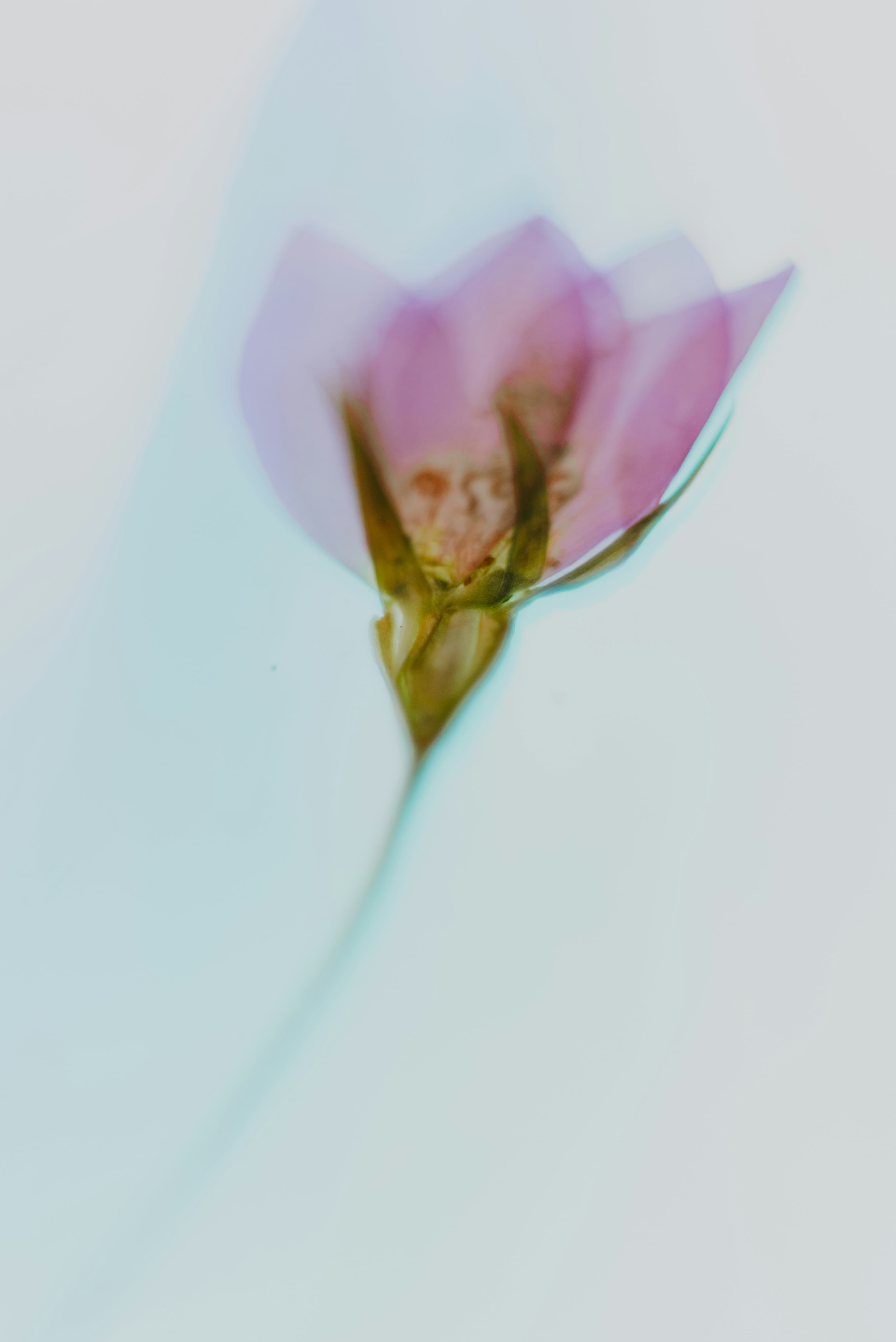
What Attention Looks Like
Attention is not thinking. It is not analyzing or interpreting. It is the state that comes before thought — the raw, unfiltered registration of what is in front of you.
A painter sitting before a landscape is not thinking about composition or color palette. Not yet. First, she is simply looking. She is seeing that the shadow under the oak tree is not grey but violet. That the creek catches light in a line so thin it could be a thread of mercury. That the far hills are not solid but are dissolving at their edges into the sky.
A poet walking through a market is not hunting for metaphors. He is hearing the specific pitch of the fishmonger's voice, feeling the cold mist from the ice displays, noticing that the lemons are arranged in a pyramid that casts a shadow shaped like a mountain range.
This quality of attention — granular, sensory, nonjudgmental — is the foundation of all making.
Training Attention
Like any capacity, attention can be trained. Some methods:
Blind contour drawing. Draw an object without looking at the page. Your hand follows your eye. The result will be strange and distorted, but the exercise trains a profound connection between seeing and making.
Walking without purpose. Leave the house with no destination. Walk slowly. Stop when something catches your eye. The poet Frank O'Hara wrote his best poems during lunch-hour walks through Manhattan, and those poems are alive with the texture of undirected attention.
Copying. Sit in a museum and copy a painting by hand. Sit with a book and copy a poem word by word. The act of reproduction slows your perception to the speed of creation. You notice choices — this word and not that one, this shade of blue and not that one — that you would miss as a passive viewer.
Meditation. Not as mysticism, but as practice. Ten minutes of sitting still, attending to your breath, trains the same muscle that art requires: the ability to stay with one thing without flinching away into distraction.
Attention as Ethics
Simone Weil wrote that attention is the rarest and purest form of generosity. When we truly attend to something — a person, a landscape, a work of art — we are giving it the gift of our full presence. We are saying: you are worth my time. You are worth my seeing.
In a culture that rewards distraction, that monetizes the scattered gaze, the choice to pay deep attention is almost a political act. Every poem, every painting, every piece of art that demands our sustained focus is a small resistance against the forces that want to keep us skimming.
Begin Here
You do not need talent to begin. You do not need training or credentials or expensive tools. You need only this: the willingness to stop, look, and stay with what you see long enough for it to reveal itself.
The world is astonishing. We miss most of it. Art begins when we decide to miss a little less.
