Color Theory for Poets
Exploring the surprising parallels between how painters use color and how poets use sound — and what each discipline can steal from the other.

Color Theory for Poets
I spent a semester in art school before dropping out to study literature. That semester gave me something no writing workshop ever did: a vocabulary for talking about contrast, temperature, and saturation — words that apply to poems as naturally as they apply to paintings.
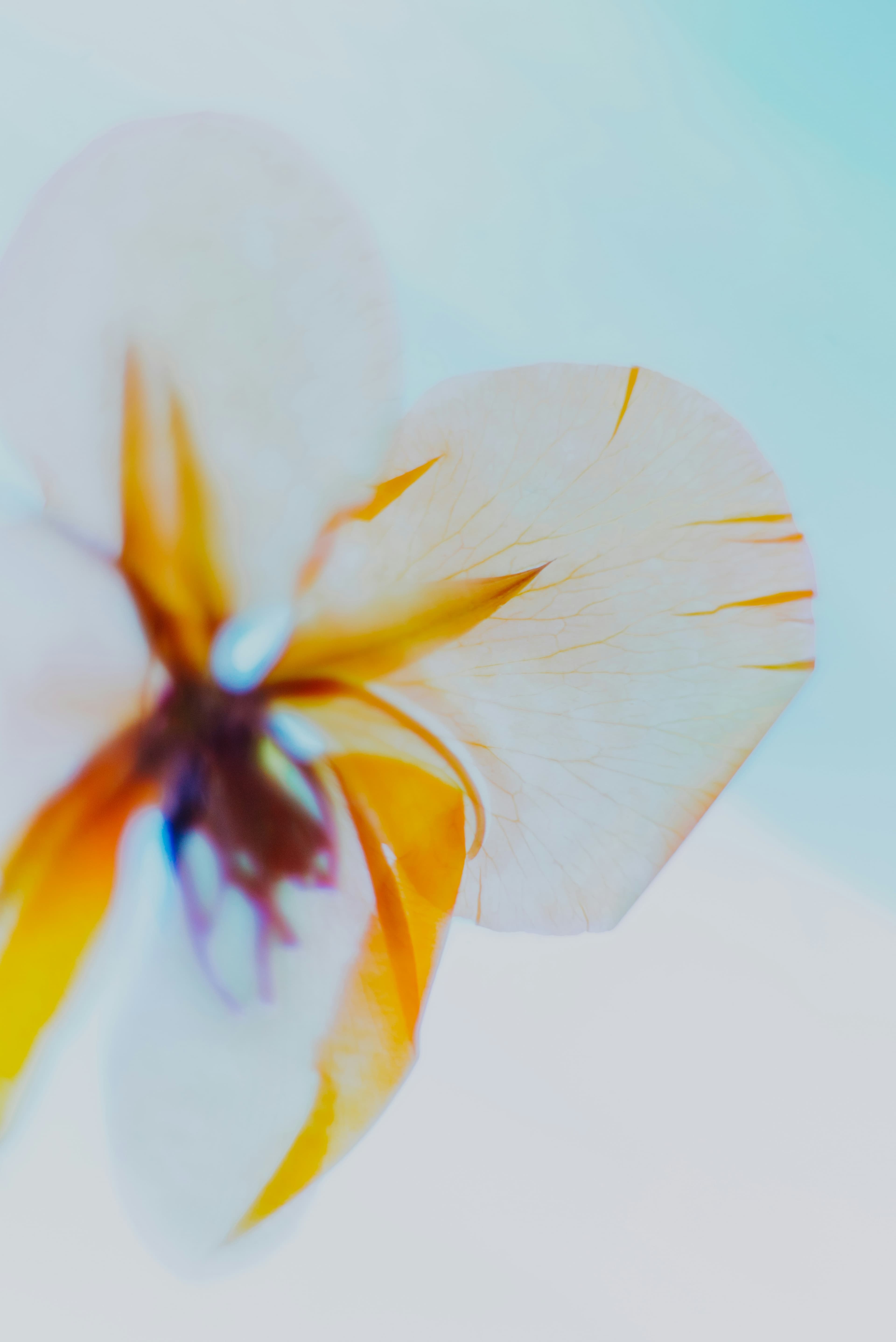
Warm and Cool
Painters speak of warm and cool colors. Warm tones — reds, oranges, yellows — advance toward the viewer. Cool tones — blues, greens, violets — recede. A painting lives in the tension between these two forces.
Poetry has its own temperature. Words with open vowels (ocean, alone, morning) tend to feel warm. Words with hard consonants and closed vowels (click, strict, block) feel cooler, more contained. A skilled poet modulates between these temperatures the way a painter layers warm glazes over cool underpaintings.
Complementary Sounds
In color theory, complementary colors sit opposite each other on the wheel. Placed side by side, they vibrate — each making the other more vivid. Red next to green. Blue next to orange.
Poetry achieves this through juxtaposition. Place the sacred next to the mundane. Put a line of high rhetoric against a line of plain speech. The contrast amplifies both.
Frank O'Hara was a master of this:
It is 12:20 in New York a Friday three days after Bastille Day, yes it is 1959 and I go get a shoeshine
The cosmic and the trivial. The historical and the personal. Each makes the other glow.
Saturation and Restraint
Beginning painters oversaturate — every color at full intensity. Beginning poets do the same with language, reaching for the most dramatic word at every turn. But just as a painting needs neutral tones to let the vivid passages sing, a poem needs plain language to set up its most charged moments.
The lesson from both disciplines is the same: restraint is not the absence of power. It is the careful deployment of it.
Stealing Between Disciplines
I tell my students: read a book about painting. Read one about music theory. Read about architecture or dance. Every art form has solved problems that your art form is still struggling with, and the solutions are there for the taking.
The borders between the arts are not walls. They are doors left ajar.
